
The skills and experiences that the Phoenix program provides are critical during the developmental stage of adolescence, during which youth are undergoing rapid physical, emotional, and cognitive changes.
Social connection and emotional health are two sides of the same coin, and the presence or absence of which influence academic outcomes. Without a strong foundation of healthy and supportive relationships and mental wellness, young people may struggle to meet personal goals, as well as the expectations of their schools and communities. The Phoenix program provides students with the tools and experiences to develop a strong social-emotional foundation.
Students who have attended the Phoenix program identified several areas of struggle in their lives, many of which are reflected in national trends.
Feeling overwhelmed by difficult emotions, including stress and anxiety, sadness and hopelessness, anger, and confusion
Experiences of loneliness, disconnection, and isolation
Unwillingness to open up and express emotions to others
Low self-worth and inauthenticity
Negative and judgmental attitudes toward others and toward life
Social anxiety and difficulty talking to others
Apathy and lack of motivation
The goal of the program is to empower youth to take responsibility for their lives by providing them opportunities to:
develop authentic connections with peers and adults to build a community of support
gain awareness and tools to understand and navigate relationships, emotions, and life circumstances
identify and embrace personal strengths, values, and positive qualities
reflect on the past and set intentions for the future while supporting and witnessing others in the process
“I was very unhappy. I didn’t have people to hangout with and had no one to trust. I had lots of anxiety and I was the most depressed. I was fake towards people and judgmental.”
Phoenix Alumni
National Trends Among Adolescents
EMOTIONAL HEALTH & WELL-BEING
49% of youth describe themselves as 'stressed' (Born This Way Foundation, 2017)
30% of students in grades nine through 12 reported feeling sad or hopeless almost every day for an extended period equal to two or more weeks in a row (U.S. Department of Health and Human Services, 2014).
75% of the words used by high schoolers to describe how they currently feel in school were negative. The most common responses were "tired" (39%), "stressed" (29%), and "bored" (26%). (Yale Center for Emotional Intelligence, 2015)
62% say they rarely/never discuss mental health with anyone (Born This Way Foundation, 2017)
20% of youth (1 in 5) struggle with a mental health condition, 11% have a diagnosed mood disorder, and 8% suffer from an anxiety disorder (Merikangas, et al, 2010).
CONNECTION & BELONGING
Just under half of young people have 3 people or fewer they could go to with a difficult problem. Of this group, 5% of young people feel they have no one they could go to. (Born This Way Foundation, 2017)
Students who reported that their peers had been mean and cruel to them also reported feeling greater levels of loneliness, fear, and hopelessness. (Yale Center for Emotional Intelligence, 2015).
Emotional health and academic success are connected to belonging: “Empirical and anecdotal evidence suggests that people who are deprived of belongingness experience diminished self-esteem, increased stress and anxiety, and depression, as well as a decrease in general well-being and happiness.” (Levett-Jones & Lathlean, 2008)
"There appears to be a causal relationship between low social connection and cognitive impairment that may explain why low social connection is associated with lower school outcomes. Also, feeling uncertain about belongingness can undermine motivation and achievement" (Seppala, Rossomando, & Doty, 2013).
Adolescents need peer connection for crucial support. Young people tend to rely on friends for support around social challenges and body image issues (feeling bad about body, worried about unprotected sex, worried about a friends drinking), while they turn to parents in situations about physical safety and well-being (feeling unsafe at school, being physically bullied, being sexually assaulted). (Born This Way Foundation, 2017)
RISK BEHAVIORS
30% of high school students engage in multiple high-risk behaviors (e.g., substance use, sex, violence, depression, attempted suicide) that interfere with school performance and jeopardize their potential for life success (Eaton et al., 2008)
17% of students in grades 9 through 12 reported that they had thought seriously about attempting suicide, and 14% made a plan about how they would attempt suicide. 8% of students in grades 9 through 12 reported that they had attempted suicide (U.S. Department of Health and Human Services, 2014).
SCHOOL DISENGAGEMENT
By high school, as many as 40-60% of students become chronically disengaged from school (Klem & Connell, 2004).
24.7% of students in grades 9 through 12 reported that they were in a physical fight, and 3.1% reported that they were injured in a physical fight (U.S. Department of Health and Human Services, 2014).
19.6% of students in grades 9 through 12 reported that they were bullied on school property (U.S. Department of Health and Human Services, 2014).
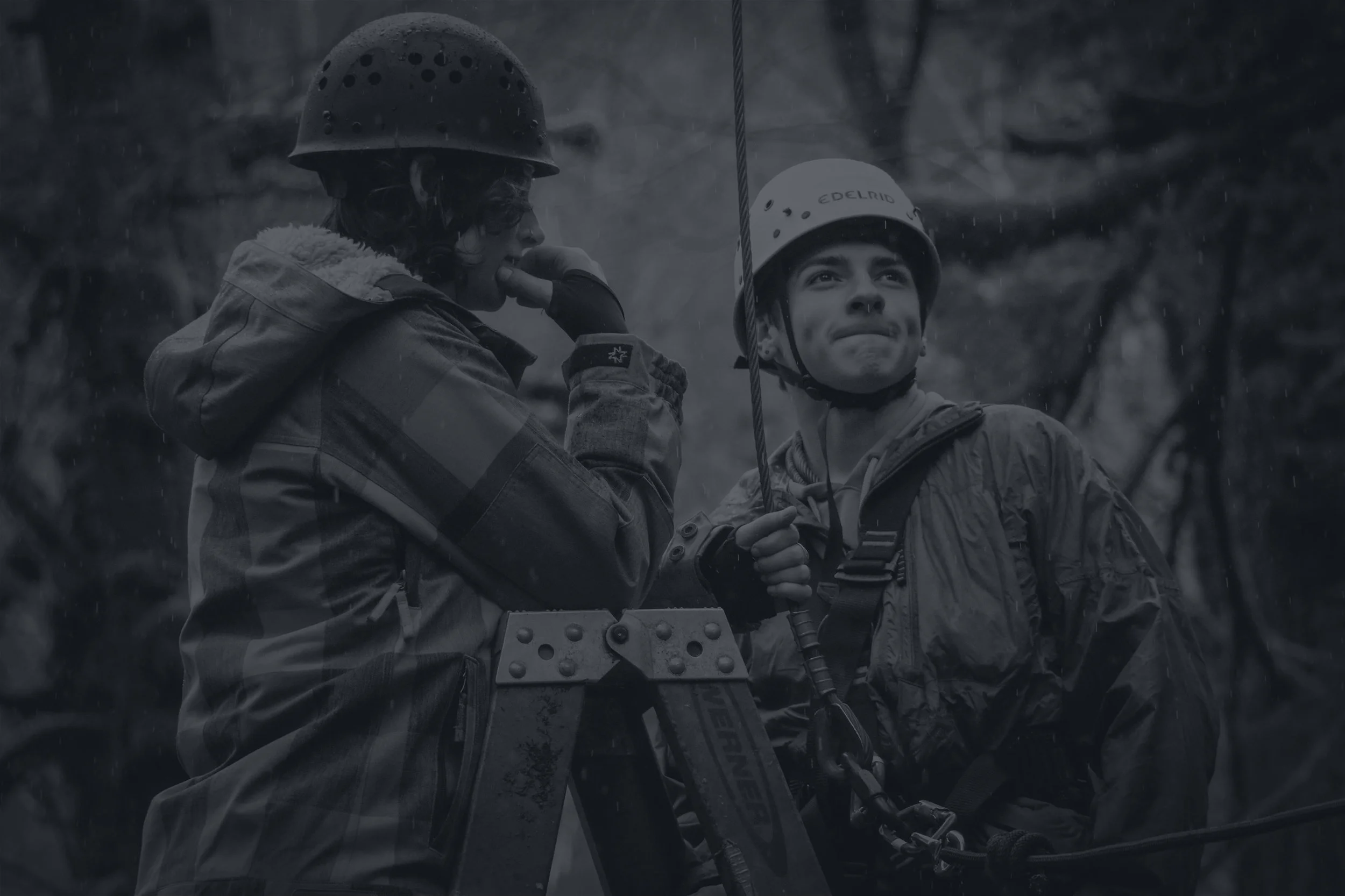
“[Before Phoenix], I was very anxious and experiencing a lot of internal conflict. I felt as if I was fighting against the world and myself to find peace. I saw everything as a struggle.”
Phoenix STUDENT
Sources
Born This Way Foundation and Benenson Strategy Group.. (26 July 2017). Kind Communities: A Bridge to Youth Mental Wellness Study. Published online.
Eaton, D. K., Kann, L., Kinchen, S., Shanklin, S., Ross, J., Hawkins, J., et al. (2008). Youth risk behavior surveillance— United States, 2007. MMWR Surveillance Summaries, 57(SS04), 1–131.
Klem, A. M., & Connell, J. P. (2004). Relationships matter: Linking teacher support to student engagement and achievement. Journal of School Health, 74, 262–273.
Levett-Jones, T. & Lathlean, J. (2008). Belongingness: A prerequisite for nursing students’ clinical learning. Nurse Education in Practice, 8, 103-111.
Merikangas, K. R., He, J., Burstein, M., Swanson, S. A., Avenevoli, S., Cui, L., … Swendsen, J. (2010). Lifetime Prevalence of Mental Disorders in US Adolescents: Results from the National Comorbidity Study-Adolescent Supplement (NCS-A). Journal of the American Academy of Child and Adolescent Psychiatry, 49(10), 980–989.
Seppala, Emma & Rossomando, Timothy & R. Doty, James. (2013). Social Connection and Compassion: Important Predictors of Health and Well-Being. Social Research: An International Quarterly. 80. 411-430.
U.S. Department of Health and Human Services, Administration on Children, Youth, and Families. (2011). Child Maltreatment 2011. Washington, DC: U.S. Government Printing Office.
Yale Center for Emotional Intelligence. (26 Oct. 2015). The Emotional Revolution. Online Survey of 22,000 High School-Age Youth. Published online.